
Writing a compelling press release is an art form. It requires creativity, research, and the ability to tailor your message to different audiences.
In this guide, you'll learn how to craft a headline that grabs attention, write an effective body, and use quotes to increase engagement.
You'll also learn how to format and edit your release to perfection, and how to distribute and promote it for maximum impact.
Brainstorming is an essential step in composing an effective press release, so take time to sit down and hash out your ideas. Consider the purpose of the release, who your target audience is, and the message you want to convey.
Make a list of keywords related to the product, service, or event you're promoting, and be sure to consider the most effective way to communicate with your audience. Collect any relevant facts, quotes, or statistics that you can use to strengthen your message.
Finally, think about the visuals that will add impact and help to convey your message. Taking the time to plan and brainstorm will make the writing process easier and ensure you create a compelling press release.
Building on the ideas generated during the brainstorming stage, it is important to craft an attention-grabbing headline that communicates the key message of the press release.
Writing a headline that accurately reflects the content of the press release is essential for successful communication. The headline should be concise and to-the-point while still capturing the attention of the reader. It should also avoid complicated or fancy words and focus on the key message of the press release.
The headline should be strong and straightforward and should be able to stand on its own. It should also be short, ideally no longer than a few words, and should include the most important words from the press release. Writing a compelling headline is an important part of creating a successful press release.
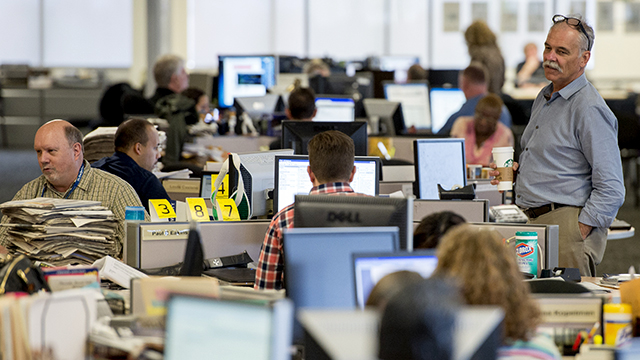
Continuing from the importance of crafting a compelling headline, the body of the press release should be written in a clear and concise fashion. Make sure the content of the body is relevant and interesting to the intended audience.
Include all the necessary information, such as who, what, when, where, and why, without any fluff. Aim to be as precise as possible, and don't forget to include contact information if needed.
Make sure the body of the press release ties into the headline. Include interesting quotes from people of importance or with expertise in the field. Keep paragraphs short and include a call to action if necessary. Finally, make sure to proofread the press release before sending it out to ensure accuracy and to avoid any embarrassing mistakes.
Quotes from people of importance or with expertise in the field can be a great addition to a press release. This can lend credibility to the release and give it a personal touch.
When selecting a quote, make sure it is relevant to the topic. Keep it concise and to the point - no more than two sentences. Also, make sure you have permission to use the quote.
Be sure to include the source's name and position, if relevant, for context. Finally, place the quote in a prime position, such as the beginning or end of the release, for maximum impact.
Editors' attention to detail is essential for an effective press release. Formatting should be consistent with the style guide for the publication you're submitting to. Use headings and subheadings to guide readers and break up text.
Use bold formatting for text that needs to stand out, such as names and titles. Spell check for typos and watch out for passive voice or unnecessary words. Finally, if you're submitting online, be sure to include any images, videos, or audio files with the release.
Read through the press release multiple times to ensure all information is accurate and the content flows logically. Don't forget to proofread and edit for grammar and punctuation.
Building on the importance of formatting and editing, it is also essential to tailor the press release to the target audience. Doing so helps ensure the right message is being sent to the right people.
Consider who the primary audience is and tailor the release accordingly. Use language and content that resonates with the readers. Make sure the tone is appropriate, and also ensure the facts are accurate.
Additionally, tailor the release for the medium in which it will appear; a newspaper should have different content than social media. Finally, consider the relevance of the press release to the readers and make sure it is newsworthy. With these tips, you can create a compelling and engaging press release.
When writing a press release, it is important to consider the audience, message, and information to be conveyed. First, identify the target audience and the purpose of the press release. Determine the main message and how to make it interesting and relevant. Next, ensure that the press release contains accurate and up to date information. Finally, create a concise and succinct document that will capture the attention of the target audience.
When writing a press release, it is important to avoid common mistakes. Common mistakes include not providing sufficient information, using overly promotional language, not creating a clear message, not writing with the target audience in mind, and not using an appropriate tone for the message. Additionally, typos and grammar mistakes should be avoided in order to maintain a professional image. It is important to double check the press release for accuracy before sending it out.
When deciding the best time for distributing a press release, it is important to consider the target audience and the goals of the release. Generally, the best time to send out a press release is during the morning hours, such as 8-10am. This time frame is ideal as it gives the media time to review the release and potentially report on it during the day. Additionally, sending the release during the morning allows for more time for it to be shared on social media, while still giving journalists the evening to write up a story.