
Press releases are an effective way to communicate a message to the public.
By crafting an effective message, creating a compelling headline, and distributing the release strategically, businesses can get their message out effectively.
In this article, we will discuss the benefits of press releases, how to craft an effective message, how to create a compelling headline, how to distribute the release, how to measure success, and troubleshooting tips.
Have you ever wondered what the benefits of a press release are? A press release can be an effective tool for getting your message out quickly and efficiently. Press releases can be used to publicize events, announce new products or services, or share company news.
They can also be used to build trust with customers and strengthen relationships with the media. Press releases can help to increase visibility, generate interest, and establish credibility.
They can also help to boost SEO rankings, as well as drive website traffic and sales. By writing and distributing a press release, you can help to ensure that your message reaches the right people.
Frequently, crafting an effective message for a press release is essential to ensure that your message reaches the right people. When crafting a press release, it's important to focus on the key elements that will get the reader's attention.
Make sure to include a compelling headline, a succinct summary of the story, and a few quotes from key people in your organization. Additionally, it is imperative to focus on the audience and tailor the message accordingly.
Finally, it is crucial to make sure that the language is clear and that the copy is free of typos and other errors. By following these guidelines, you can ensure that your message is heard and understood.
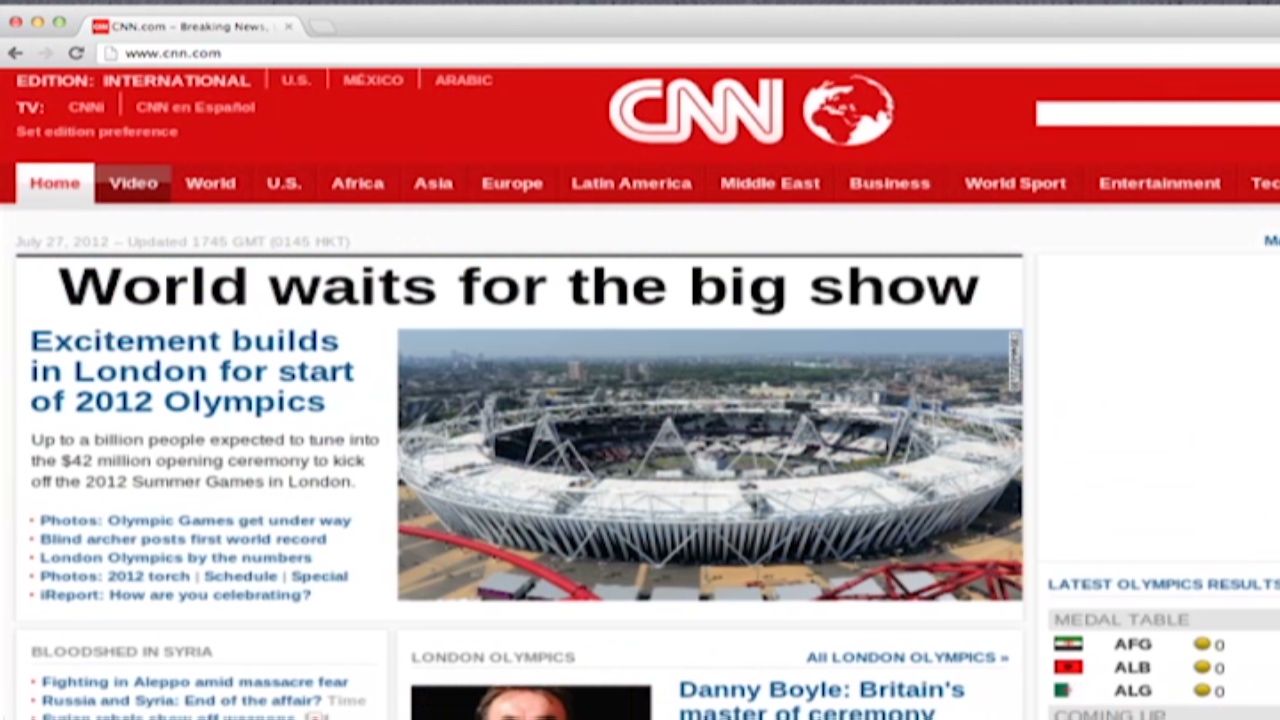
Crafting a compelling headline for a press release is essential for ensuring your message is read and understood. It should be attention-grabbing and capture the essence of the story. The headline should be short and to the point, summarizing the story in a few words so readers can quickly understand the content.
It's also important to use keywords that will make it easier for readers to find the press release when searching online. When creating the headline, it's important to consider the tone and style of the message.
Use language that is appropriate for the audience and conveys the right message. Finally, be sure to check the accuracy of the headline to avoid any potential confusion.
Building upon the importance of creating a compelling headline, distributing your press release widely is essential to ensure your message is seen by the right people.
This means that you will need to take advantage of both online and offline resources. Online submission services, such as PR Newswire or PRWeb, can be a great way to get your release seen by a large audience. Additionally, you can use email to reach out to key contacts in the media and other influencers.
Finally, don't forget the power of social media to help amplify your message even further. With thoughtful planning and execution, you can ensure that your press release reaches its intended audience.

Once your press release is distributed, it is important to measure its success in order to determine the effectiveness of your message. Tracking the amount of media coverage it receives and its reach are key indicators of how successful the press release is.
You should also analyze the kinds of responses it elicits and how many people view or share the content. This can help you understand how well your press release has resonated with the public and whether it has helped you reach your target audience.
Monitoring the press release's performance can give you insight into its success and help you refine your strategy for the future.
Troubleshooting a press release can be daunting, so it's important to be aware of potential pitfalls that can arise. Keeping the message concise and to the point is essential; avoid using too many words or going off on tangents.
Before sending out the press release, double-check for errors in spelling, grammar, and facts. Make sure the contact information is correct and up-to-date, as this is essential for anyone who wants to reach out. Additionally, ensure that the story is newsworthy and relevant to the audience.
Most importantly, don't forget to follow-up and keep track of who has received the press release. This will help measure success and ensure the message has reached its intended audience.
When creating and distributing press releases, it is important to consider the legal implications. Depending on the jurisdiction, different laws may apply regarding the content, format, and distribution of the press release. For example, in some jurisdictions, false or misleading claims may be prohibited, while in others certain words may need to be included in the text. It is important to be aware of these regulations when crafting the press release to avoid any negative legal consequences.
The best way to ensure your press release reaches the right people is to research and identify the publications and media outlets that are relevant to your content. You can then create a list of key contacts and contact them directly to ensure they receive your press release. You can also consider using a press release distribution service to ensure maximum reach.
A press release should include clear and concise information about the event, product, or service being promoted. It should provide a brief, yet in-depth look at the topic, including highlights and benefits. The press release should also include contact information for further inquiries, as well as any relevant quotes from key personnel involved. Finally, the press release should include a powerful call-to-action to encourage readers to take the desired action.